





What is a PID control for an EC measurement?

Nieuwkoop
What is the purpose of PID control?
The purpose of PID control is to keep the EC value constant around a desired setpoint, e.g. 2.0 mS/cm.
If EC is too low → adjust pump with nutrients.
If EC is too high → dilute water or reduce dosage.
How does PID control work in this application?
1. Measurement (Input)
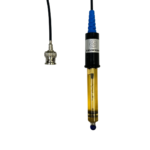
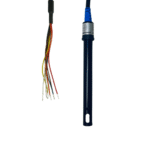
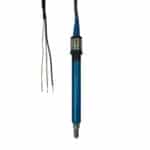
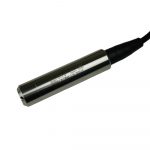
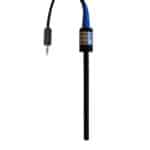
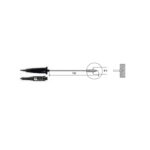
- An EC sensor continuously measures the current conductivity of the water.
2. Comparison with setpoint
- De fout (error) wordt berekend:
- Error = Setpoint – Measured EC value
3. PID calculation
-
- The controller calculates how fast and how much to adjust based on this error.
- Proportional (P):
- Direct response to the error.
- The larger the error, the stronger the correction (e.g. more fertiliser dosing).
- Integrative (I):
- Corrects for permanent deviations.
- If the EC remains slightly too low for a long time, it slowly increases the dosage.
- Differentiating (D):
- Looks at how fast the EC changes.
- Inhibits rapid increases or decreases → prevents excess.
4. Control (Output)
- The calculated correction is sent to e.g. a dosing pump or valve.
Example:
- Setpoint EC = 2.0 mS/cm
- Measured EC = 1.6 mS/cm → error = +0.4
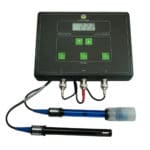
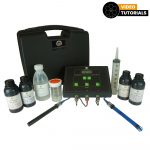
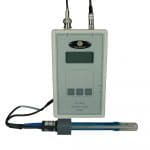
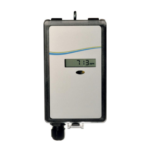
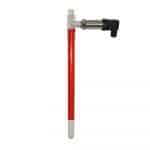
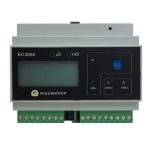
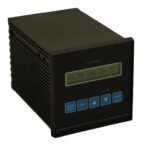
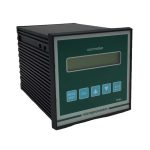
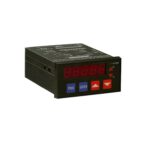
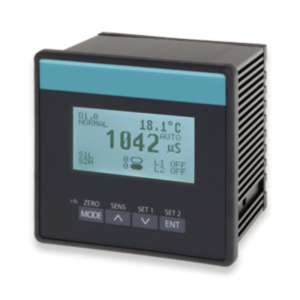
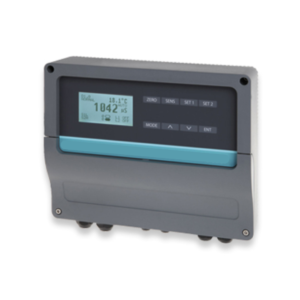
- PID controller EC3055:
- Turns on the feed pump (proportional)
- Keeps it on longer as error persists (integral)
- Adjusts dosage if EC rises too quickly (differential)
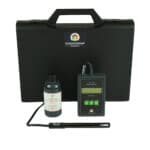
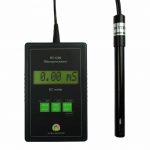
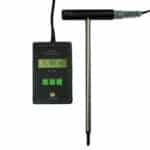
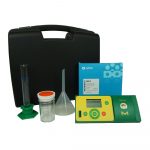
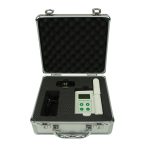
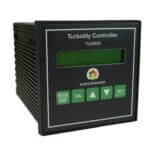
At Nieuwkoop, we offer one of the most accurate EC controllers including PID control available which are also easy to use.
Relevant products

About the author
Nieuwkoop


