





How to measure pH in soil?

Nieuwkoop
Why is it important to measure pH of soil?
The pH of soil is measured to determine its acidity. When growing plants, flowers, and other organisms that thrive in soil, the pH level plays an important role. A pH level that is too high or too low can reduce a plant’s ability to absorb nutrients, which can affect its growth and health.
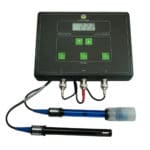
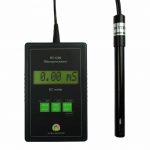
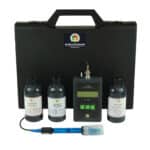
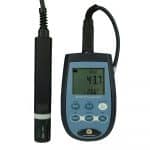
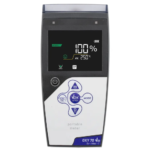
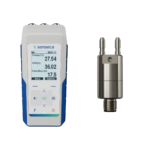
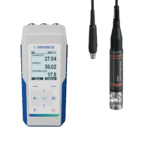
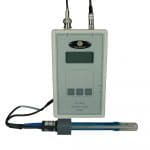
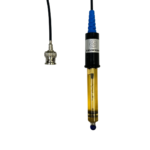
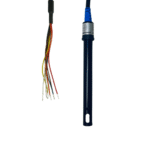
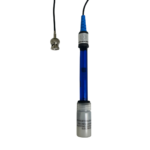
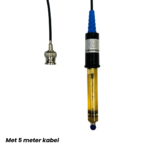
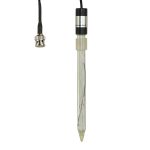
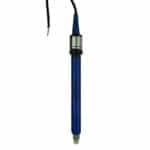
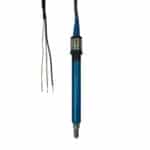
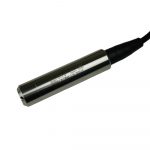
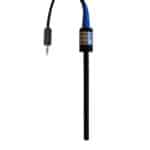
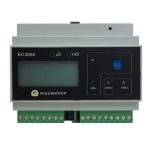
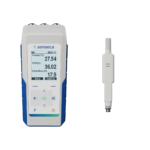
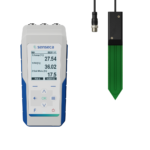
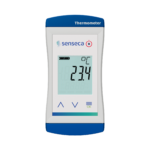
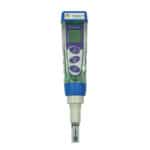
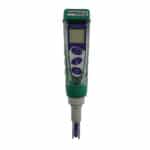
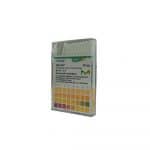
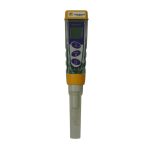
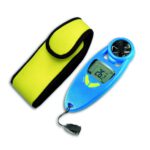
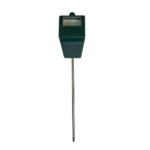
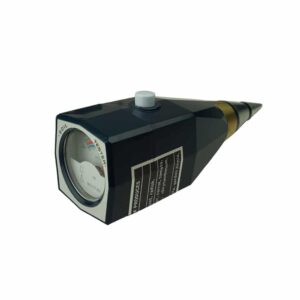
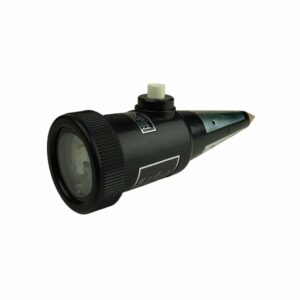
To determine the acidity of your potting or garden soil, you can use a pH meter or pH indicator. A digital pH meter typically provides the most accurate and reliable measurements, as it displays an exact value rather than just an indication of acidity.
How do you do a reliable pH measurement of soil?
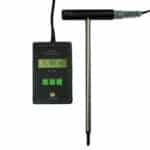
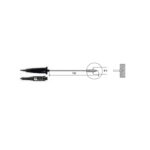
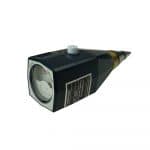
There are several ways to measure soil pH. The simplest method is to insert a pH meter directly into the soil. It is important to take measurements at multiple locations and at different depths to get a representative picture of the soil’s acidity.
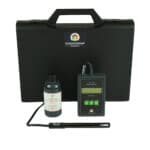
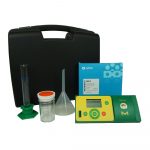
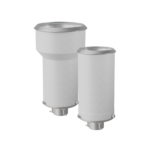
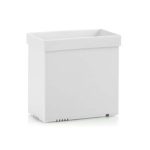
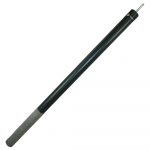
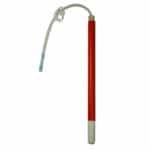
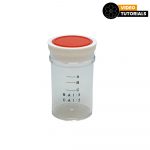
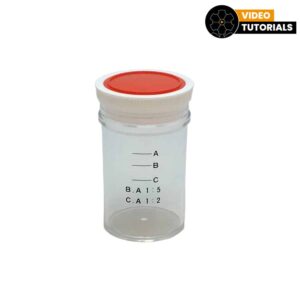
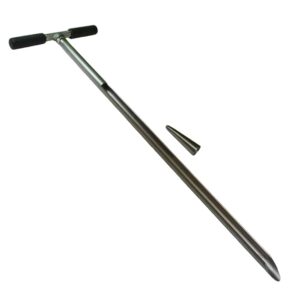
For a more accurate measurement, you can use a soil sample. Use a soil sampler to take samples from the soil at multiple locations and mix them in a sample cup. In the video below, we explain the best way to take a soil sample. Then measure the pH of the mixture with a digital pH meter. This method generally provides a more reliable indication of the soil’s average pH value.
For a reliable measurement, always use a sample cup and a soil auger. This method is the most reliable because it ensures you consistently follow the same measurement procedure every time. That ensures reliability.
What is the best pH value for soil?
The ideal pH level depends on the crop and the soil type. The pH scale ranges from 0 to 14, with 7 being neutral. Values below 7 are acidic, and values above 7 are alkaline.
Many plants grow best at a pH between about 5.5 and 7.0, but the optimal value varies by crop. Therefore, always check which pH level is most suitable for the plants you want to grow.
pH value Meaning
0 – 6.9 Acidic
7.0 Neutral
7.1 – 14 Alkaline
5.5 – 7.0 Suitable for many crops
How often should you measure the pH of the soil?
How often a pH measurement is needed depends on the type of soil, the crop, and the application. For home gardens, it’s usually sufficient to check the pH level once or twice a year. A measurement in the spring provides insight into soil conditions at the start of the growing season, while a second measurement in the fall can help with planning any soil amendments.
In professional cultivation, greenhouses, or agricultural applications, measurements are taken more frequently. When crops are sensitive to changes in the soil or when fertilization is done regularly, it may be wise to measure monthly, weekly, or per growing cycle.
It is also recommended to always take a new measurement after the soil has been treated. This allows you to verify whether the desired pH level has been achieved and whether additional adjustments are needed.
Why is it important to calibrate a pH meter?
To ensure reliable measurement results, it is important to calibrate a digital pH meter regularly. Over time, a pH sensor can begin to show slight deviations, causing the displayed value to no longer fully correspond to the actual pH value.
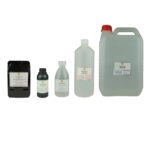
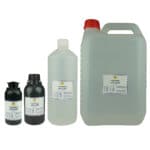
Calibration ensures that the meter continues to measure correctly by adjusting it using special calibration solutions with known pH values. Depending on the application, calibration is usually performed using solutions with pH 4.00, pH 6.86, or pH 7.00.
How often a meter needs to be calibrated depends on the frequency of use, the desired accuracy, and the quality of the measuring instrument. With regular use, it is recommended to calibrate the meter at least once a month. For professional applications or critical measurements, more frequent calibration may be necessary.
In addition to calibration, it is important to keep the sensor clean and store it in KCl storage solution according to the instructions. A well-maintained and calibrated pH meter provides more accurate and reproducible measurement results.
The best ph meter for soil
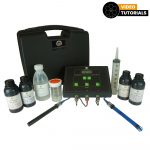
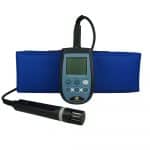
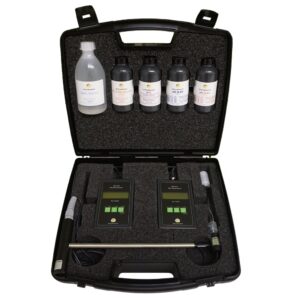
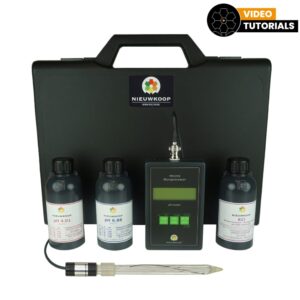
Accurate measurement starts with a reliable pH meter. With over 65 years of experience in measuring instruments and soil pH measurements, we help users obtain reliable measurement results.
Relevant products

About the author
Nieuwkoop


