




-
×
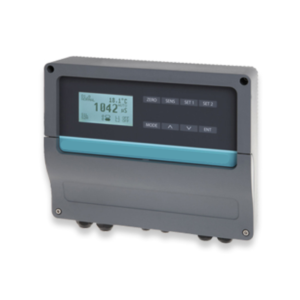
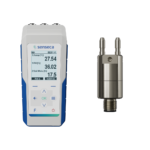
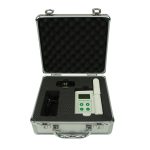
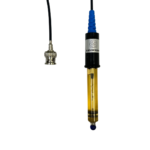
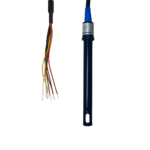
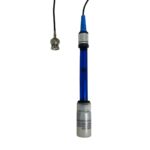
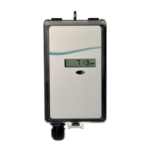
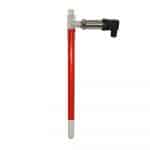
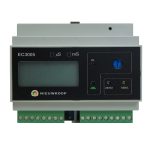
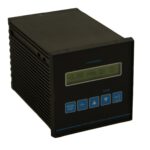
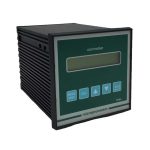
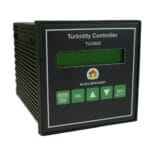
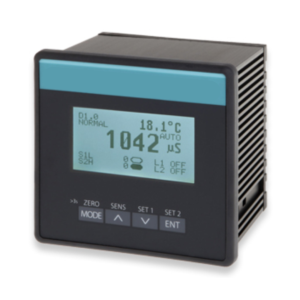 Advanced EC controller with precise PID Control, 2 set points, 2 relay contacts, panel mount, EC3055
1 × €995,00
Subtotal: €995,00
Shopping Cart
Advanced EC controller with precise PID Control, 2 set points, 2 relay contacts, panel mount, EC3055
1 × €995,00 Subtotal: €995,00

Nieuwkoop
What is the purpose of PID control?
The purpose of PID control is to keep the EC value constant around a desired setpoint, e.g. 2.0 mS/cm.
If EC is too low → adjust pump with nutrients.
If EC is too high → dilute water or reduce dosage.
How does PID control work in this application?
1. Measurement (Input)
2. Comparison with setpoint
3. PID calculation
4. Control (Output)
Example:
At Nieuwkoop, we offer one of the most accurate EC controllers including PID control available which are also easy to use.